

Defence organizations worldwide are shifting toward agile roadmapping to manage complexity, adapt to evolving threats, and deliver capability faster. As we move into 2026, the challenge isn't whether to adopt agile planning - it's how to do it effectively within the unique constraints of defence programmes: long procurement cycles, classified workstreams, multi-year budgets, and intricate dependencies across platforms, suppliers, and allied forces.
This article explores the key principles of agile roadmapping in defence contexts, outlines strategic priorities for 2026, and provides practical steps to build roadmaps that balance flexibility with the rigour defence programmes demand.
Why use agile roadmaps in defence programmes?
Agile roadmaps provide a strategic view of programme direction while allowing teams to respond to changing requirements, emerging technologies, and operational priorities. Unlike static plans, agile roadmaps are living documents that evolve as new information becomes available - critical in defence environments where threat landscapes shift rapidly and capability requirements must adapt accordingly.
What teams must achieve with an agile roadmap
Defence teams need roadmaps that serve multiple audiences: programme managers, capability sponsors, industry partners, and senior leadership. An effective agile roadmap must clearly communicate strategic intent and show progress against key milestones. It should also highlight dependencies between workstreams and provide visibility into risk without overwhelming stakeholders with unnecessary detail.
Benefits of agile roadmaps in defence
- Faster decision-making: Leaders can prioritize capability delivery based on current operational needs rather than plans locked in years earlier
- Improved stakeholder alignment: Cross-functional teams, industry partners, and allies can see how their work contributes to broader programme objectives
- Better resource allocation: Teams can redirect effort toward high-value activities as requirements evolve
- Enhanced risk visibility: Dependencies, capability gaps, and integration challenges become visible early, allowing proactive mitigation
- Clearer communication: Complex, multi-year programmes become easier to understand, reducing confusion across organizational boundaries
“SharpCloud is the only platform I have seen that has the ability to solve difficult project challenges quickly and help identify blockers to delivery. It really is a cutting-edge use of roadmapping and visualization technology.”

Best practice for agile roadmaps
The most effective defence roadmaps balance strategic clarity with tactical flexibility. They communicate outcomes rather than detailed tasks, use timeframes that reflect delivery horizons rather than fixed dates, and maintain clear ownership for each capability stream. Visual clarity matters - stakeholders should grasp programme structure within seconds, not minutes.
Key principles for agile roadmapping in defence
Defence programmes operate under constraints that commercial organizations rarely face. Applying agile principles effectively requires understanding these differences.
Outcome-focused planning: Defence roadmaps should emphasize the capabilities being delivered - improved surveillance, enhanced communications, integrated air defence - rather than specific features or technical specifications. This allows flexibility in how outcomes are achieved while maintaining clear strategic direction.
Time-boxed delivery horizons: Instead of rigid milestones, use near-term, mid-term, and far-term horizons. This acknowledges uncertainty in long defence programmes while maintaining momentum toward capability delivery.
Continuous stakeholder engagement: Defence programmes involve diverse stakeholders with competing priorities. Regular roadmap reviews ensure alignment between operational requirements, budget realities, and technical feasibility.
Dependency transparency: Complex defence programmes involve interconnected workstreams across platforms, systems, and allied partners. Making dependencies visible prevents integration failures and supports coordinated delivery.
Adaptive prioritization: As threats evolve and budgets shift, roadmaps must enable rapid reprioritization without losing sight of strategic objectives. This requires clear criteria for what drives priority decisions.
Strategic areas for 2026
Several trends are shaping how defence organizations approach agile roadmapping this year.
Integration with procurement cycles: Teams are developing roadmaps that align agile delivery with traditional defence procurement gates, creating hybrid approaches that maintain governance without sacrificing adaptability.
Multi-domain operations planning: Defence roadmaps increasingly need to show how capabilities integrate across land, sea, air, space, and cyber domains, requiring new ways to visualize cross-domain dependencies.
Coalition interoperability: As allied operations become more integrated, roadmaps must show how national programmes align with partner capabilities and shared operational concepts.
Technology acceleration: The rapid pace of commercial technology development means defence roadmaps must accommodate faster refresh cycles for software, AI capabilities, and digital infrastructure.
Building your defence agile roadmap
What you should know before beginning
Before creating your roadmap, understand your programme's strategic context.
- What operational capabilities are you delivering?
- Who are your key stakeholders?
- What governance frameworks apply?
- What classification constraints exist?
- Which industry partners, research organizations, or allied nations are involved?
Clarity on these questions prevents rework and ensures your roadmap serves its intended purpose.
Establishing the aims of your roadmap
Define what your roadmap needs to achieve. Is it primarily for strategic communication to senior leadership? Does it support integrated master schedule development? Will it guide industry partner coordination? Different purposes require different levels of detail and different views of the same underlying information.
Steps to create your roadmap
1. Define your capability outcomes: Start with the operational capabilities your programme will deliver. What will commanders be able to do that they cannot do today? Express these as outcomes, not technical solutions.
2. Establish delivery horizons: Structure your roadmap around realistic timeframes - typically 0-12 months (near-term), 12-36 months (mid-term), and beyond 36 months (far-term). This provides structure while acknowledging uncertainty in longer timeframes.
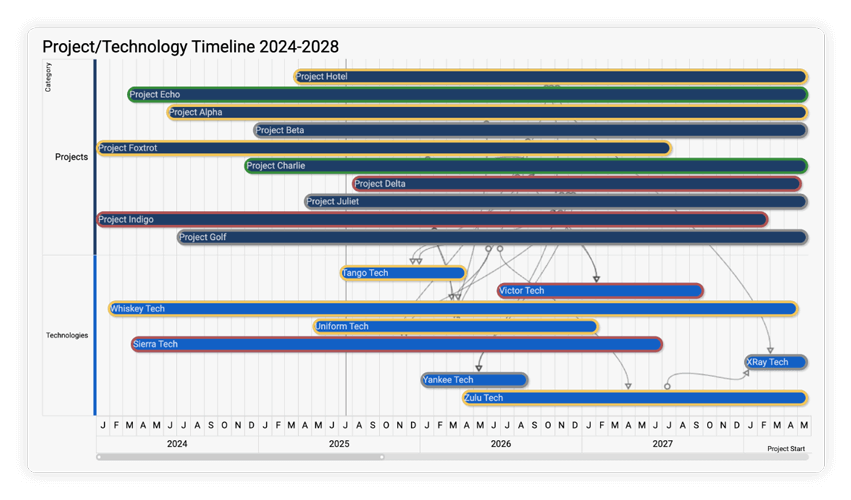
3. Map dependencies: Identify critical dependencies between workstreams, external programmes, and enabling capabilities. This might include platform availability, software releases, infrastructure upgrades, or allied capability delivery.
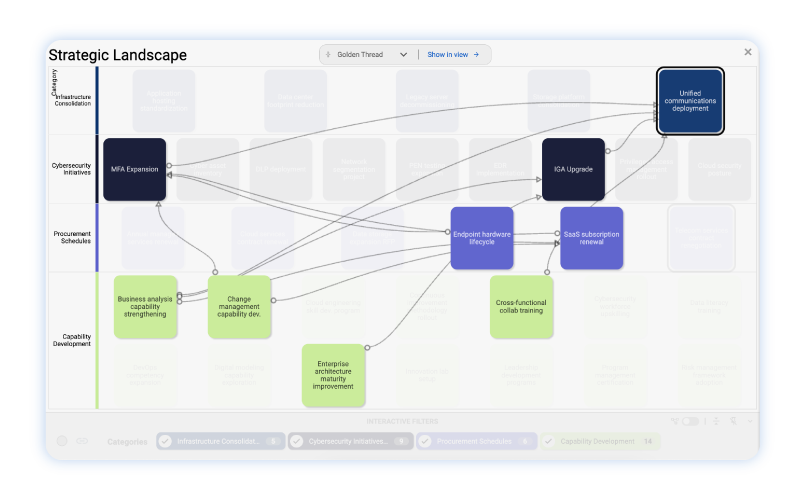
4. Assign ownership: Ensure clear accountability for each capability stream. In complex defence programmes, ownership often spans organizational boundaries, making explicit assignment essential.
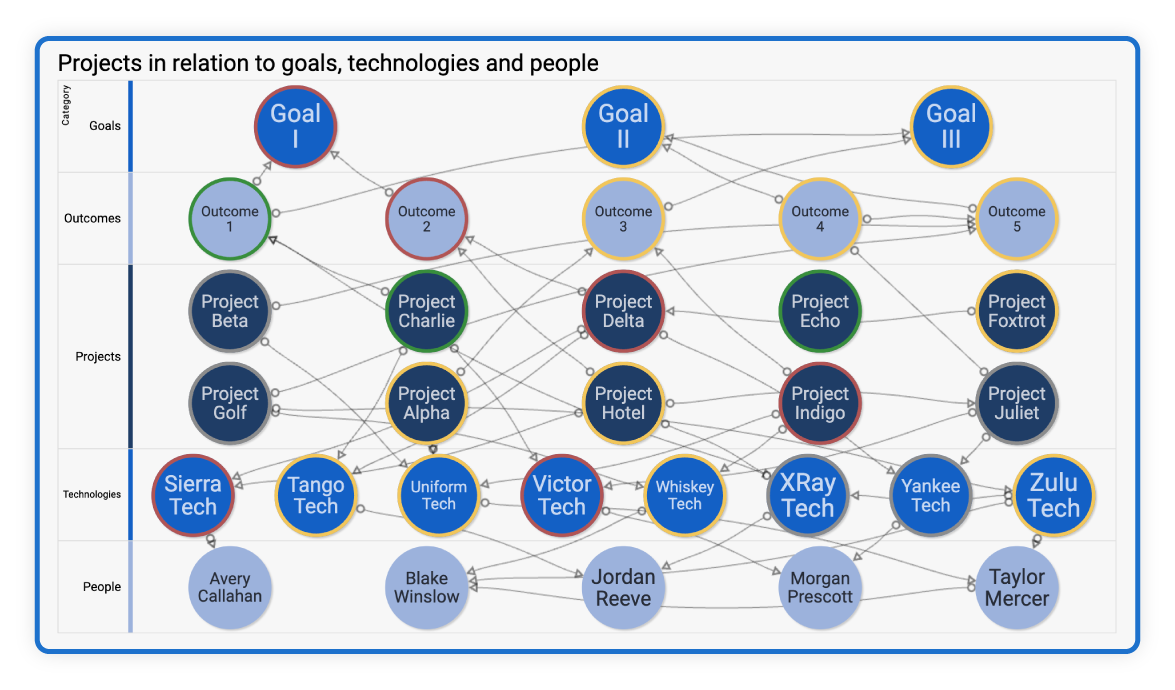
5. Define success metrics: Establish how you'll measure progress toward each capability outcome. This might include technical readiness levels, operational test results, or integration milestones.
Using your agile roadmap in practice
An agile roadmap guides decision-making throughout the programme lifecycle. It aligns stakeholders during quarterly reviews, informs budget allocation when priorities shift, and supports rapid response when operational requirements change.
The roadmap becomes the single source of truth for programme direction, helping Product Owners and programme managers maintain realistic expectations while driving toward ambitious capability goals.
Managing priorities in secure or classified workstreams
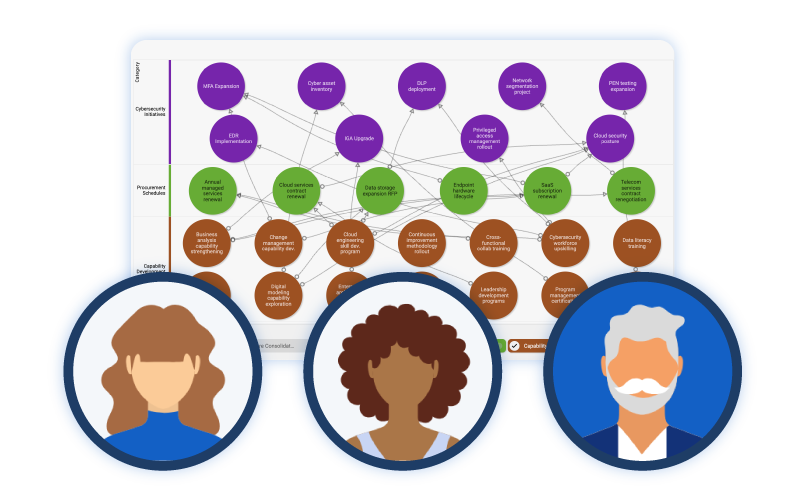
Defence programmes often include classified elements that only specific personnel can access. Effective roadmapping in this context requires compartmentalized or role-based visibility - teams see the information relevant to their role while leadership maintains a comprehensive view across classification boundaries.
Modern roadmapping platforms like SharpCloud support role-based access controls, allowing teams to maintain unified roadmaps where sensitive workstreams remain visible only to authorized personnel. This ensures alignment without compromising security, enables coordination across classification levels, and maintains programme coherence even when not everyone can see everything.
Moving forward
Agile roadmaps are becoming essential for defence programmes navigating complexity, managing uncertainty, and delivering capability at the pace operational requirements demand. Good agile roadmapping in 2026 means balancing flexibility with the rigour defence programmes require - maintaining strategic direction while adapting to changing circumstances.
SharpCloud provides the secure, flexible platform defence teams need to build, maintain, and share agile roadmaps across complex programmes. With support for classified environments, sophisticated dependency management, and role-based access controls, it enables defence organisations to plan with the agility modern operations require while maintaining the security and governance defence programmes demand.
